


2026 Plant ID Retreat
Join us in the field for a fun and intimate weekend full of plants and community
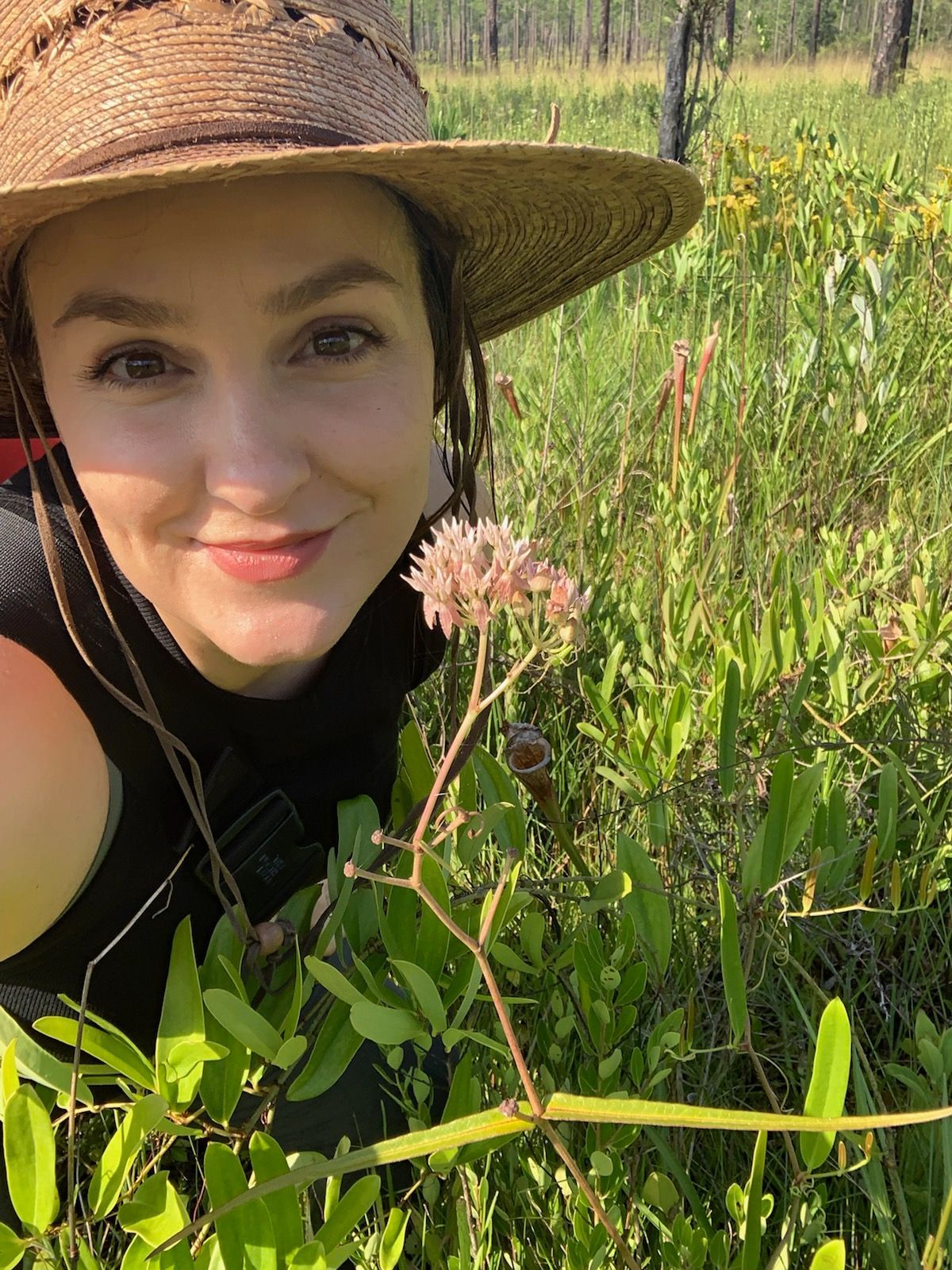
© Photo by Merranda Docksey
Dates: June 12-14, 2026
Location: Tallahassee, FL
Field Biologist: Lilly Anderson-Messec, Director of North Florida Programming
Meals: Valerie Anderson (event chef), Director of Communications
Host: Melissa Fernandez-de Cespedes, Executive Director
Featured Critically Endangered Plants: Torreya taxifolia & Taxus floridana
Format: Small group immersion
Spots are strictly limited to preserve the small-group experience. Registration is open now — don't wait.
Botanizing Ethically: Poaching (plants, seeds, and other material) is strictly forbidden. Attendees are to obscure location information if uploading images to plant apps (eg, iNaturalist or other ID and reporting mechanisms), social media, and any literature. Photographs you take with your phone contain geolocation data; we require that all photos be stripped of location data prior to sharing.
Spend a weekend immersed in one of Florida's most botanically rich landscapes - and help fund the conservation, education, and advocacy work that protects it.
Led by Lilly Anderson-Messec, this small-group trip takes you into the sandhill bluffs and steep head ravine ecosystems of the Apalachicola River region, home to rare endemic species found nowhere else on earth, including the critically endangered Torreya taxifolia. Along the way, you'll build real plant identification skills using a scope and dichotomous key, guided by someone who knows this landscape intimately.
We'll be staying together in a comfortable vacation, sharing meals, and spending evenings working through challenging IDs as a group. It's equal parts field school and naturalist gathering - the kind of experience FNPS members have been asking for.
Your registration fee isn't just covering a trip - it's funding the conservation, education, and advocacy work that keeps Florida's native landscapes intact.
The Apalachicola ravines are beautiful and botanically extraordinary, and they are also genuinely steep. Full participation in field sessions requires the ability to navigate uneven ground and significant slopes. Please consider your mobility needs before registering.