

Vachellia farnesiana
sweet acacia
Fabaceae (Leguminosae)
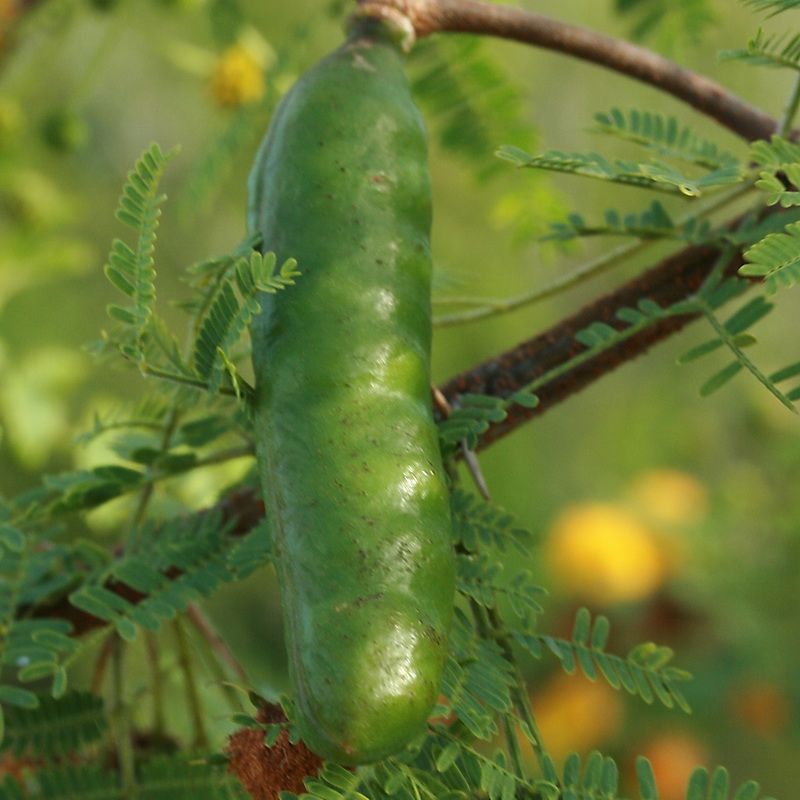
Plant Specifics
Form:
Size:
Life Span:
long-lived perennial
Flower Color:
Fruit Color:
Phenology:
Noted For:
Landscaping
Recommended Uses:
Considerations:
Thorns on trunks and branches. Place where flowers and fragrance can be enjoyed, but away from walkways. Can suffer from root rot if too wet.
Light:
Moisture Tolerance:
Usually moist, occasional inundation ---- to ---- Somewhat long very dry periods
Salt Water Flooding Tolerance:
Unknown
Salt Spray/Salty Soil Tolerance:
High. Can tolerate significant and ongoing amounts of salt.
Soil or Other Substrate:
Sand
Suitable to Grow In:
8B,9A,9B,10A,10B,11
Ecology
Wildlife:
Attracts pollinators and uses ants both for protection against unwanted insects.
The thorny branches make good cover for birds and other wildlife. Fruits are not generally valued. Attracts pollinators.
There are 2 subspecies, V. farnesiana var. farnesiana and V. farnesiana var. pinetorum. Var. pinetorum is rare. It is also smaller.
There is a very rare species, Vachellia macranthera , occasionally cultivated. It occurs rarely in extreme south Florida and has been found as a likely storm-deposited waif in a couple of areas on the west coast of FL. If you have it, enjoy it. Culture should be similar to V. farnesiana.
Native Habitats:

