

Uniola paniculata
sea oats
Poaceae (Gramineae)
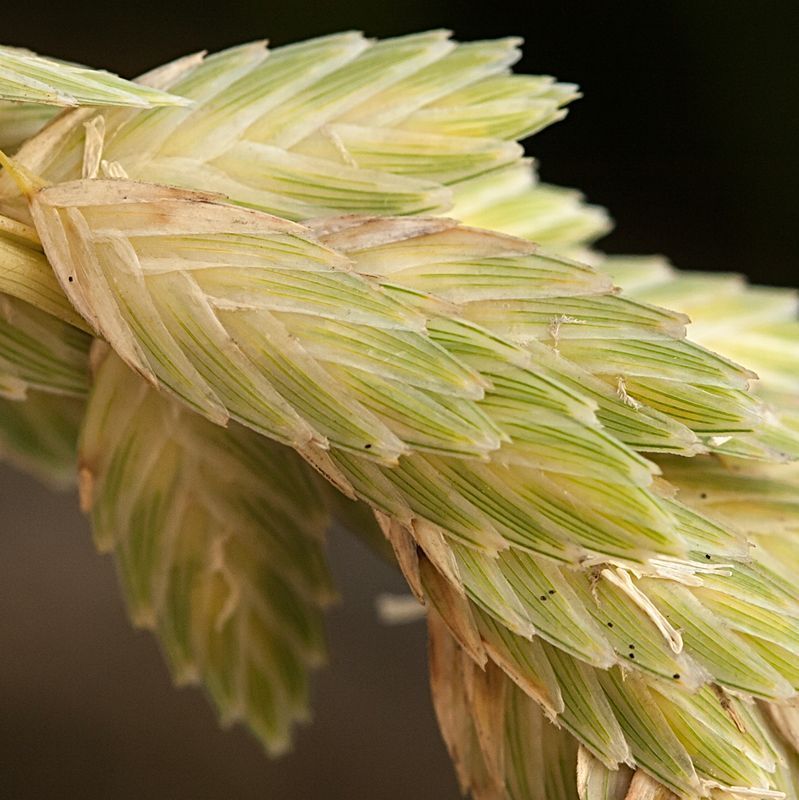
Plant Specifics
Form:
grass
Size:
4 - 6 ft tall by wide-spreading ft wide
Life Span:
long-lived perennial
Flower Color:
yellow
Fruit Color:
brown
Phenology:
Winter dormant. Deep-rooted and spreading by rhisomes. Blooms spring-fall.
Noted For:
Showy Fruits, Hurricane Wind Resistance
Landscaping
Recommended Uses:
Specimen plant. Mass plantings on beach dunes for stabilization. Seed heads useful in dried arrangements.
Considerations:
Spreads aggressively via rhizomes.
Light:
Full Sun
Moisture Tolerance:
Not wet but not extremely dry ---- to ---- Very long very dry periods
Salt Water Flooding Tolerance:
Unknown
Salt Spray/Salty Soil Tolerance:
High. Can tolerate significant and ongoing amounts of salt.
Soil or Other Substrate:
Sand
Suitable to Grow In:
8A,8B,9A,9B,10A,10B,11
Ecology
Wildlife:
Birds, Mammals
Birds and other wildlife eat the seeds.
Native Habitats:
Beach dunes, coastal grasslands.

