
Ulmus alata
winged elm
Ulmaceae
Plant Specifics
Form:
tree
Size:
40-70 ft tall by 30-40 ft wide
Life Span:
long-lived perennial
Flower Color:
Fruit Color:
Phenology:
Deciduous. Blooms early spring. Live span likely less than 100 yrs (Nelson 2003).
Noted For:
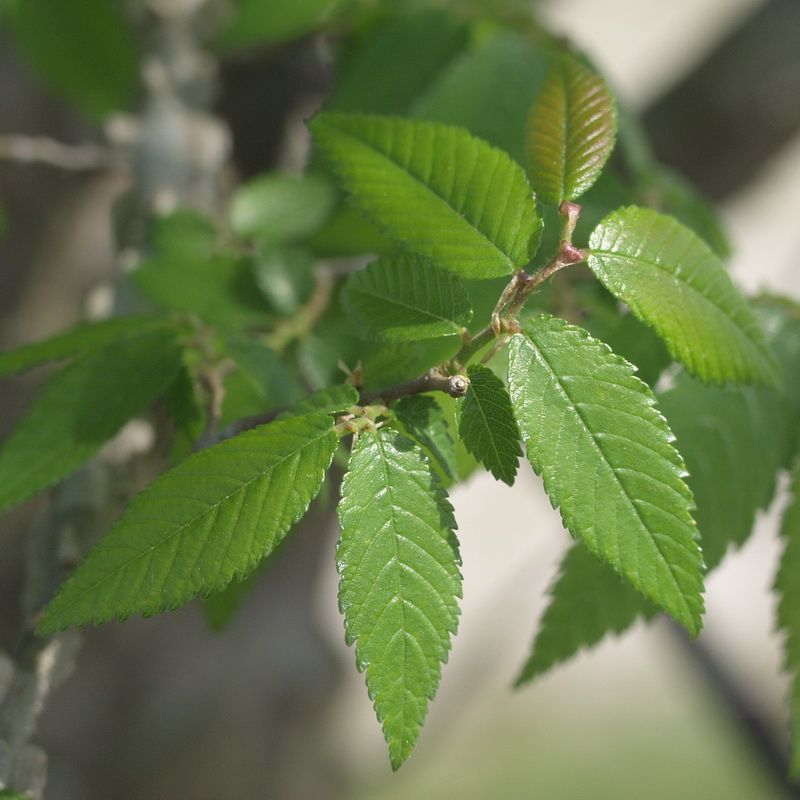
Hurricane Wind Resistance, Interesting Foliage, Interesting Bark
Landscaping
Recommended Uses:
Makes an excellent specimen tree due to the corky wings on its twigs. Older speciments are good shade trees.
Considerations:
Susceptible to the Dutch elm disease (not a problem in Florida). Has a shallow root system
Light:
Full Sun, Part Sun
Moisture Tolerance:
Usually moist, occasional inundation ---- to ---- Somewhat long very dry periods
Salt Water Flooding Tolerance:
Unknown
Salt Spray/Salty Soil Tolerance:
Low/no tolerance of salty wind or direct salt spray
Soil or Other Substrate:
Sand, Loam
Suitable to Grow In:
8A,8B,9A,9B
Ecology
Wildlife:
Caterpillars, Birds
Larval host for the question mark butterfly ( Polygonia interrogationis )
Important early spring food for songbirds.
Native Habitats:
Floodplains, slopes, well-drained forests.

