

Swietenia mahagoni
West Indian mahogany
Meliaceae
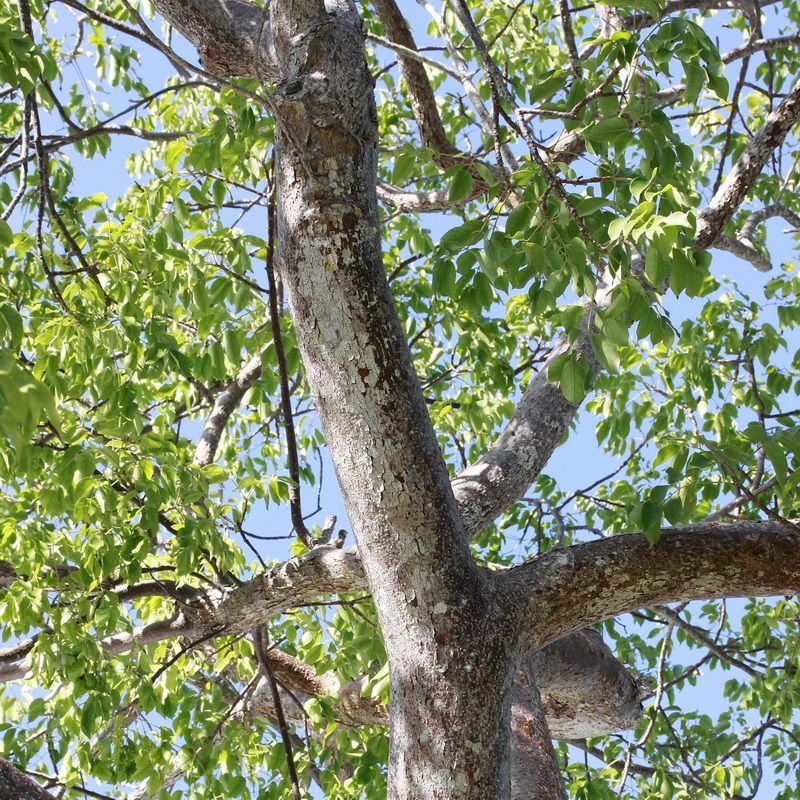
Plant Specifics
Form:
tree
Size:
30-70 (80) ft tall by 40-60 ft wide
Life Span:
long-lived perennial
Flower Color:
green
Fruit Color:
brown
Phenology:
Briefly deciduous. Inconspicuous flowers in spring. Fruits ripen late-summer - fall. Life span 100+ years (Nelson 2003).
Noted For:
Showy Fruits, Aroma/Showy Fruitsagrance, Hurricane Wind Resistance, Interesting Foliage
Landscaping
Recommended Uses:
Street tree. Yard and park shade tree.
Considerations:
Light:
Full Sun
Moisture Tolerance:
Somewhat moist, no flooding ---- to ---- Short very dry periods
Salt Water Flooding Tolerance:
Unknown
Salt Spray/Salty Soil Tolerance:
Low/no tolerance of salty wind or direct salt spray
Soil or Other Substrate:
Sand, Clay, Loam, Lime Rock
Suitable to Grow In:
10A,10B,11
Ecology
Wildlife:
Pollinators, Butterflies
Attracts a diverse community of small butterflies and moths. Many species of ants, thrips, small beetles, flies, bees, and wasps also visit flowers, many of these feeding on the basal nectary.
Native Habitats:
Tropical rockland hammock, coastal hammocks.

