

Bejaria racemosa
tarflower, flyweed
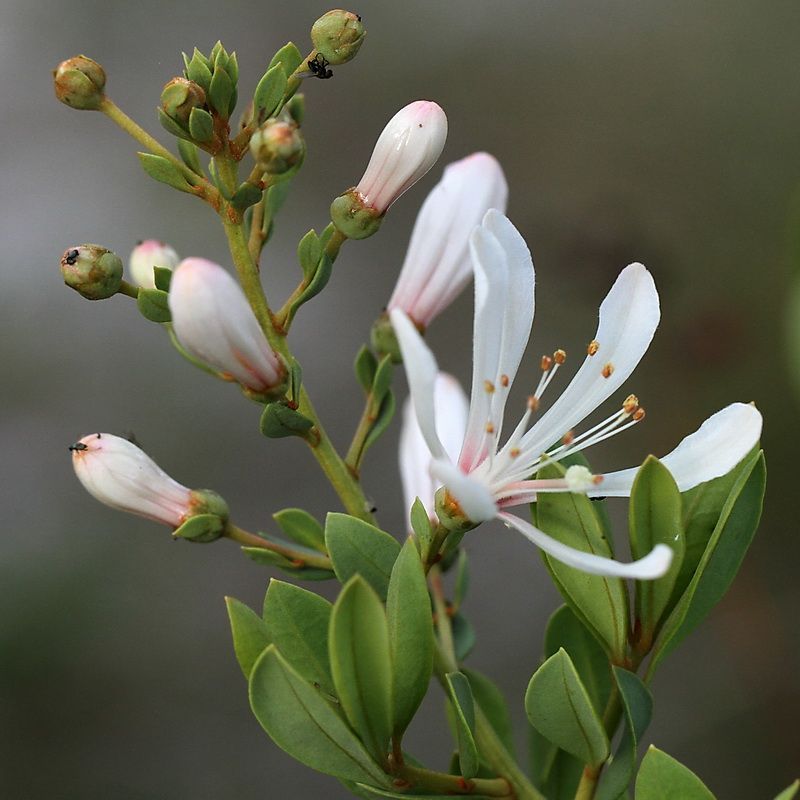
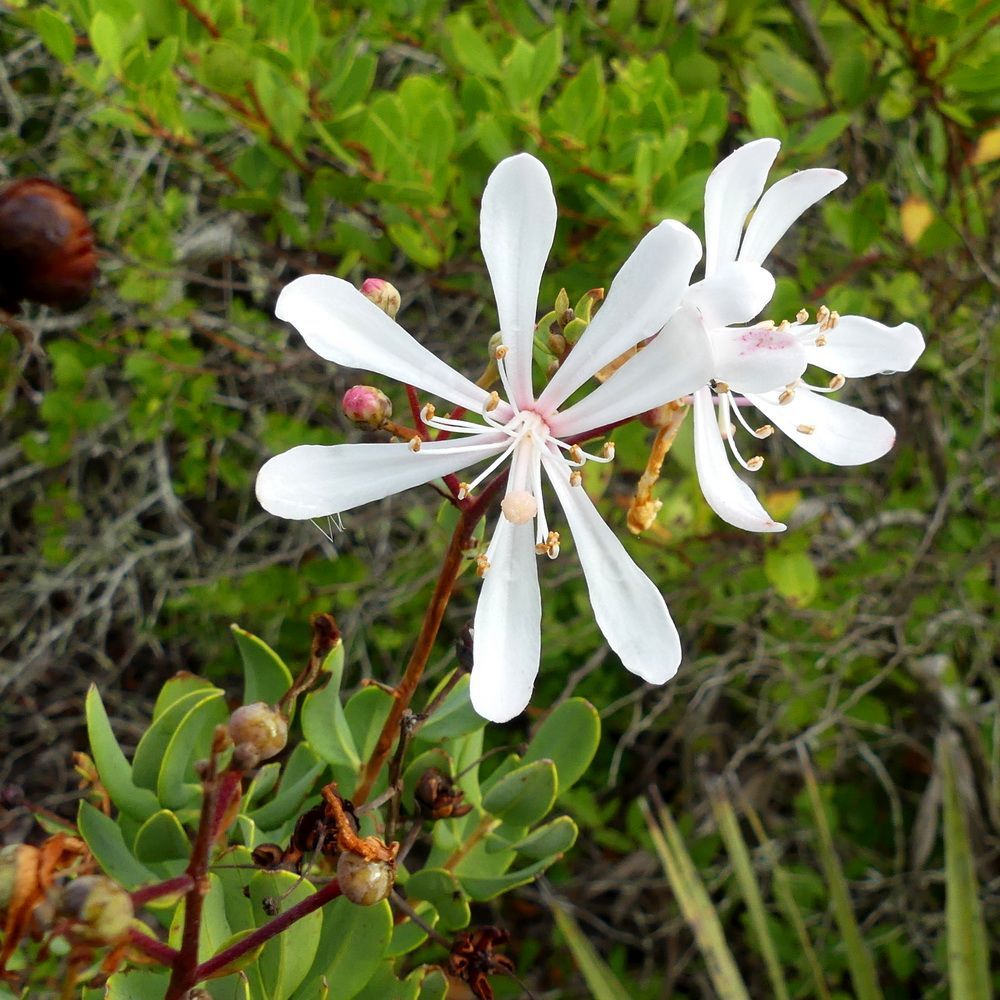
Nomenclature
Common Name:
Synonym(s):
Genus species:
Family:
Ericaceae
Plant Specifics
Form:
Size:
Life Span:
Long-lived perennial
Flower Color:
Fruit Color:
Phenology:
Noted For:
Landscaping
Recommended Uses:
Considerations:
Availability:
Propagation:
Light:
Moisture Tolerance:
Always Flooded---------------------------------Extremely Dry
□□□□□□□□□□□□□□□□□□□□□■■■■■■■■■■■■■■■■■■□□□
Somewhat moist, no flooding -to- Very long very dry periods
Salt Water Flooding Tolerance:
Unknown
Salt Spray/Salty Soil Tolerance:
Low/no tolerance of salty wind or direct salt spray
Soil or Other Substrate:
Sand
Soil pH:
Suitable to Grow In:
8A,8B,9A,9B,10A,10B
Ecology
Wildlife:
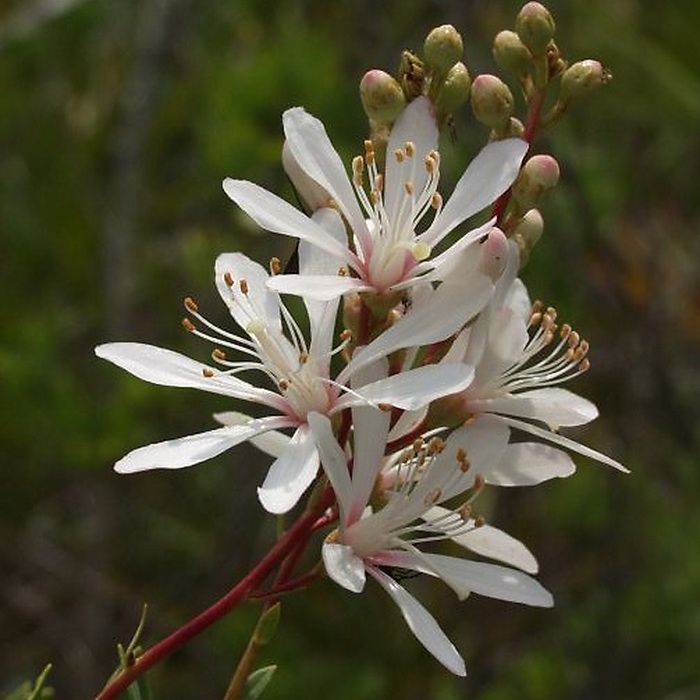
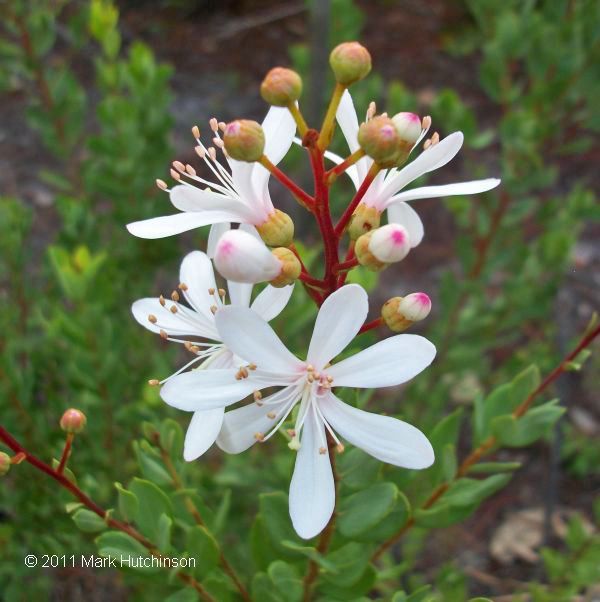
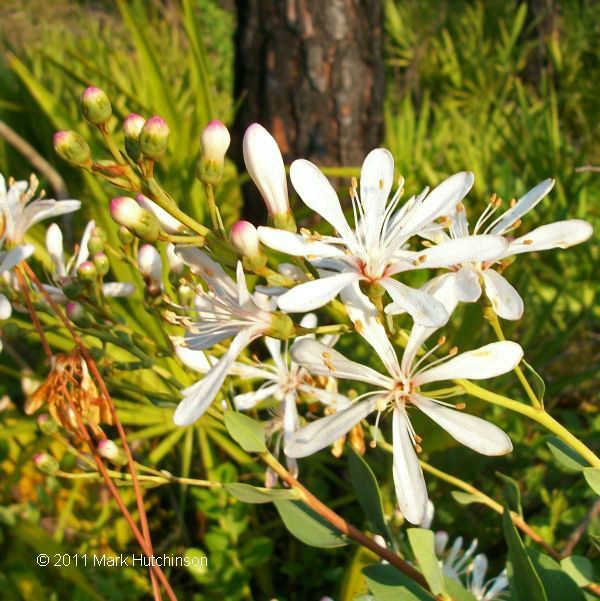
Bees and flies are attracted to the flowers, and are often caught on the sticky flowers.
Native bee visitors include sweat, resin, leaf-cutter, and bumble bees.
Native Habitats:
Comments:
Ethnobotany:
General Comments:
The scientific name Befaria racemosa was apparently an early transcription error. The genus is named after an 18th century Spanish botanist by the name of Bejar.
Documented bees include Agapostemon splendens, Augochlorella aurata, A. gratiosa, Augochloropsis sumptuosa, Anthidiellum perplexum, Anthidium maculifrons, Megachile brevis pseudobrevis, M. mendica, M. petulans, Bombus impatiens and B. pennsylvanicus (Deyrup et al. 2002).

