• Photo by: Shirley Denton, Suncoast Chapter FNPS
  • Photo by: Shirley Denton, Suncoast Chapter FNPS
  • Photo by: Marjorie Shropshire, Martin County Chapter FNPS
  • Photo by: NULL
  • Photo by: NULL

Pinus palustris

longleaf pine

Nomenclature

Common Name:

longleaf pine

Synonym(s):

Genus species:

Pinus palustris

Family:

Pinaceae

Plant Specifics

Form:

tree

Size:

To 120 ft tall by 30-50 ft wide

Life Span:

Long-lived perennial

Flower Color:

NA

Fruit Color:

brown

Phenology:

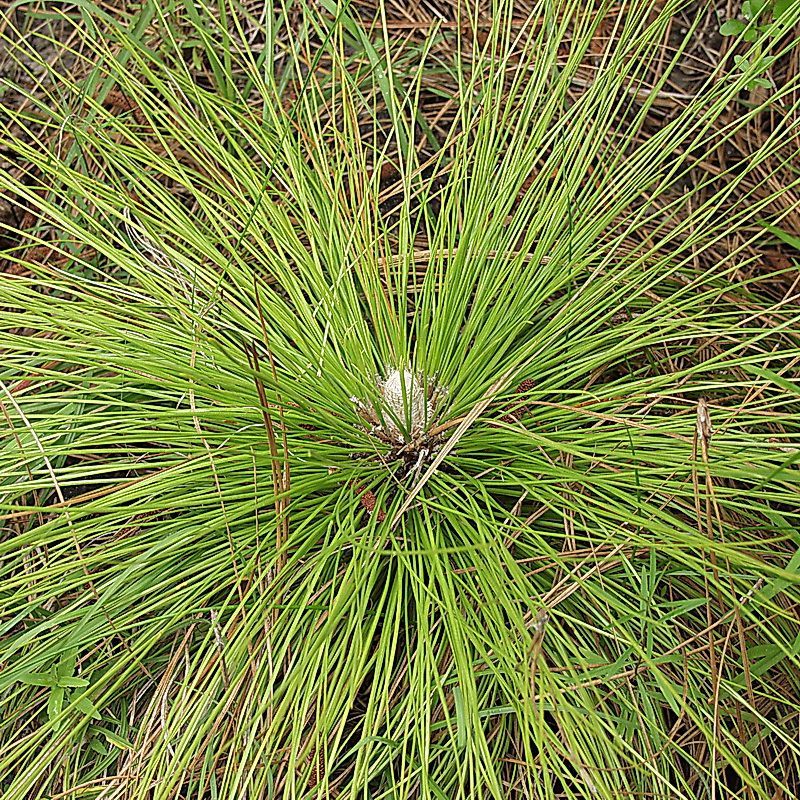
Evergreen. Young pines have an extended grass stage and then shoot up rapidly. Cones produced in spring, wind pollinated, and mature into fall. Long-lived: 200+ years.

Noted For:

Hurricane Wind Resistance

Landscaping

Recommended Uses:

Shade tree. Woodland tree.

Considerations:

Text

Availability:

Text

Propagation:

Text

Light:

Text

Moisture Tolerance:

Always Flooded---------------------------------Extremely Dry

â–¡â–¡â–¡â–¡â–¡â–¡â–¡â–¡â–¡â–¡â–¡â–¡â–¡â–¡â–¡â–¡â–¡â–¡â–¡â–¡â–¡â– â– â– â– â– â– â– â– â– â– â– â– â– â– â– â– â– â– â–¡â–¡â–¡

Somewhat moist, no flooding -to- Very long very dry periods

Salt Water Flooding Tolerance:

Unknown

Salt Spray/Salty Soil Tolerance:

Low/no tolerance of salty wind or direct salt spray

Soil or Other Substrate:

Sand, Clay, Loam

Soil pH:

Acidic

Suitable to Grow In:

8A,8B,9A,9B

Ecology

Wildlife:

Birds, Mammals

Known for its use by squirrels, especially fox squirrels. Birds also eat the nuts.


Old trees in well managed (properly burned) natural sandhill and flatwoods settings are used as cavity trees by red-cockaded woodpeckers.


Often used by perching raptors.  Bald eagles frequently nest in the upper crown.

Native Habitats:

Sandhill, mesic to dry flatwoods.

Comments:

Ethnobotany:

Most natural longleaf pine forests were cut for timber.

General Comments:

Highly tolerant of fire once established.