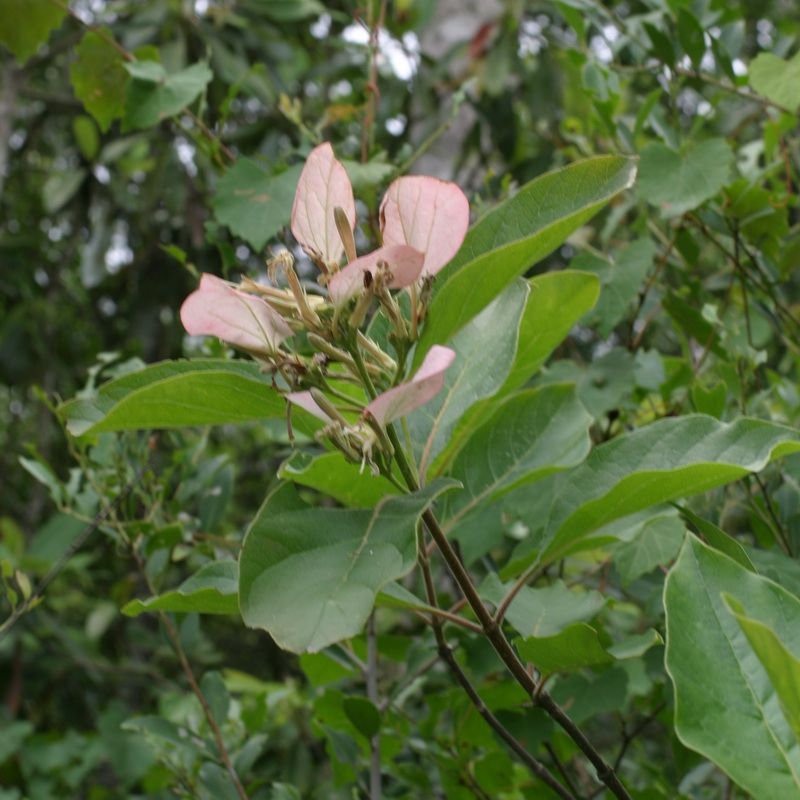
• Photo by: Shirley Denton, Suncoast Chapter FNPS
  • Photo by: Eleanor Dietrich, Magnolia Chapter FNPS
  • Photo by: Eleanor Dietrich, Magnolia Chapter FNPS

Pinckneya bracteata

hairy fevertree

Nomenclature

Common Name:

hairy fevertree

Synonym(s):

Genus species:

Pinckneya bracteata

Family:

Rubiaceae

Plant Specifics

Form:

tree

Size:

10-20 ft

Life Span:

Long-lived perennial

Flower Color:

white,pink,red

Fruit Color:

NA

Phenology:

Deciduous

Noted For:

Showy Flowers, Interesting Foliage

Landscaping

Recommended Uses:

Specimen shrub or small tree.

Considerations:

Text

Availability:

Text

Propagation:

Text

Light:

Text

Moisture Tolerance:

Always Flooded---------------------------------Extremely Dry

â–¡â–¡â–¡â–¡â–¡â–¡â–¡â–¡â–¡â–¡â–¡â–¡â– â– â– â– â– â– â– â– â– â– â– â– â– â– â– â–¡â–¡â–¡â–¡â–¡â–¡â–¡â–¡â–¡â–¡â–¡â–¡â–¡â–¡â–¡

Usually moist, occasional inundation -to- Not wet but not extremely dry

Salt Water Flooding Tolerance:

Unknown

Salt Spray/Salty Soil Tolerance:

Low/no tolerance of salty wind or direct salt spray

Soil or Other Substrate:

Sand

Soil pH:

Acidic

Suitable to Grow In:

8A,8B

Ecology

Wildlife:

Pollinators, Butterflies

Attracts bees and butterflies.

Native Habitats:

Edges of bayheads, swamps; bogs; steepheads; wet flatwoods.

Comments:

Ethnobotany:

General Comments:

The showy part of the flower is the white, pink or rose bracts that become petal-like.


This species is listed as Threatened by the State of Florida. Please acquire from reputable nurseries.


Based on the BONAP maps and the ISB map, this part of the Pinckneya range that is in the Apalachicola National Forest is contiguous with the main body of the species' range in Georgia and South Carolina.  The part of its range in the peninsula, in the Ocala National Forest area, appears to be disjunct.