

Passiflora incarnata
passion vine, maypop, purple passion flower
Passifloraceae
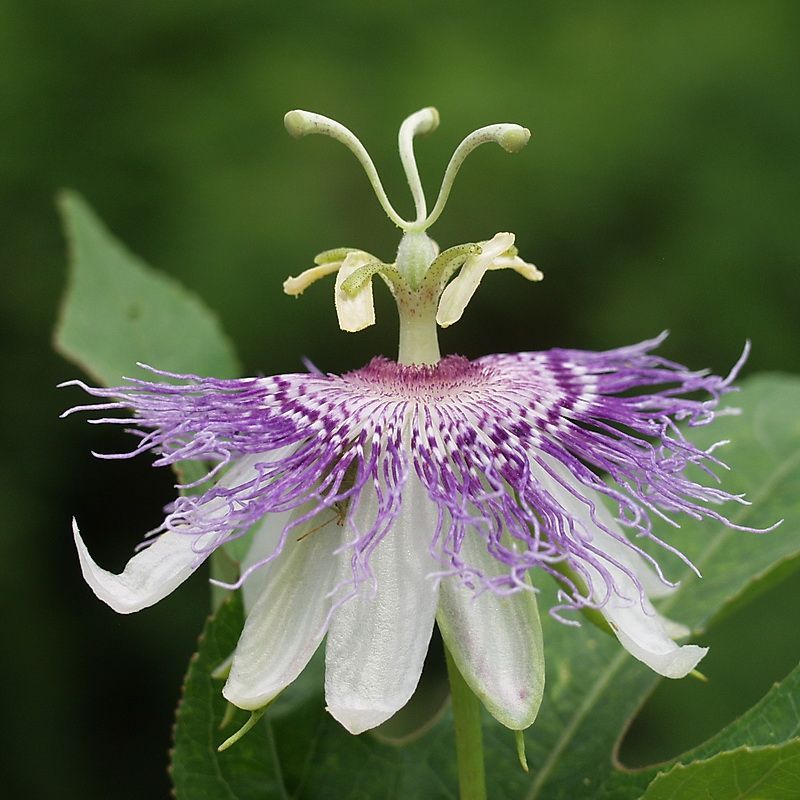
Plant Specifics
Form:
Size:
Life Span:
short-lived perennial
Flower Color:
Fruit Color:
Phenology:
Noted For:
Landscaping
Recommended Uses:
Considerations:
This plant spreads via stoloniferous rhizomes just beneath the ground surface. In areas with loose sand or mulch it can spread like wildflower sprouting up at some distance away from the mother plant. Its ability to climb using tendrils can make it a problem for slow growing bushes.
Light:
Moisture Tolerance:
Somewhat moist, no flooding ---- to ---- Very long very dry periods
Salt Water Flooding Tolerance:
Unknown
Salt Spray/Salty Soil Tolerance:
Some tolerance to salty wind but not direct salt spray
Soil or Other Substrate:
Sand, Clay
Suitable to Grow In:
8A,8B,9A,9B,10A,10B
Ecology
Wildlife:
Purple passionflower is larval host plant for numerous butterfly species, including Gulf Fritillary ( Agraulis vanillae ) and Zebra Longwing ( Heliconius charithonia ), the state butterfly of Florida. It also is host to the Crimson Patch Longwing ( Heliconius erato ), Red-banded hairstreak ( Calycopis cecrops )and Julia Heliconian ( Dryas iulia ) butterflies.
Pollinated by bees.
The young tendrils of purple passionvine are eaten by wild turkey. Wildlife eat the fruits.
Native Habitats:

