

Lippia stoechadifolia
southern fogfruit; southern matchsticks
Verbenaceae
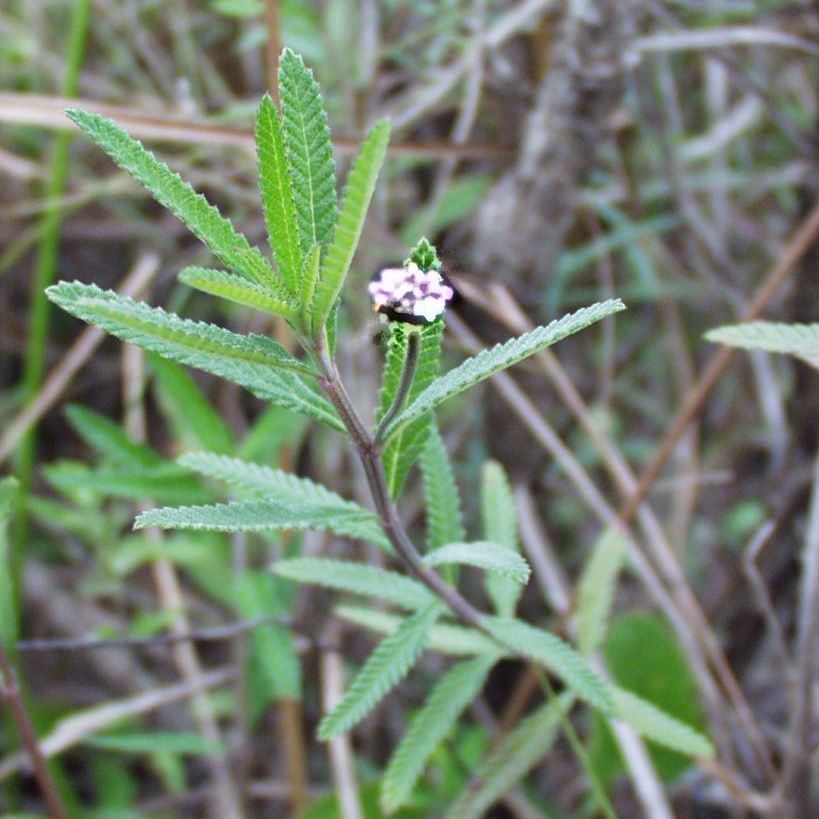
Plant Specifics
Form:
Size:
Life Span:
long-lived perennial
Flower Color:
Fruit Color:
Phenology:
Noted For:
Landscaping
Recommended Uses:
Considerations:
Light:
Moisture Tolerance:
Aquatic ---- to ---- Somewhat moist, no flooding
Salt Water Flooding Tolerance:
Unknown
Salt Spray/Salty Soil Tolerance:
Low/no tolerance of salty wind or direct salt spray
Soil or Other Substrate:
Sand, Loam, Organic
Suitable to Grow In:
Ecology
Wildlife:
Possible larval host plant for common buckeye ( Junonia coenia ), phaon crescent ( Phyciodes phaon ) and white peacock ( Anartia jatrophae ) butterflies.
Possible nectar plant for barred yellow ( Eurema daira ), ceraunus blue ( Hemiargus ceraunu s), field skipper ( Atalopedes campestris ), gray hairstreak ( Strymon melinus ), little metalmark ( Calephelis virginiensis ), Palatka skipper ( Euphyes pilatka ), phaon crescent, queen ( Danaus gilippus ), swarthy skipper ( Nastra lherminier ), tropical checkered-skipper ( Pyrgus oileus ) and other butterflies.
Possible larval host plant for common buckeye (Junonia coenia), phaon crescent (Phyciodes phaon) and white peacock (Anartia jatrophae) butterflies. Possible nectar plant for barred yellow (Eurema daira), ceraunus blue (Hemiargus ceraunus), field skipper (Atalopedes campestris), gray hairstreak (Strymon melinus), little metalmark (Calephelis virginiensis), Palatka skipper (Euphyes pilatka), phaon crescent, queen (Danaus gilippus), swarthy skipper (Nastra lherminier), tropical checkered-skipper (Pyrgus oileus) and other butterflies.
Native Habitats:

