

Lysiloma latisiliquum
wild-tamarind, false tamarind
Fabaceae (Leguminosae)
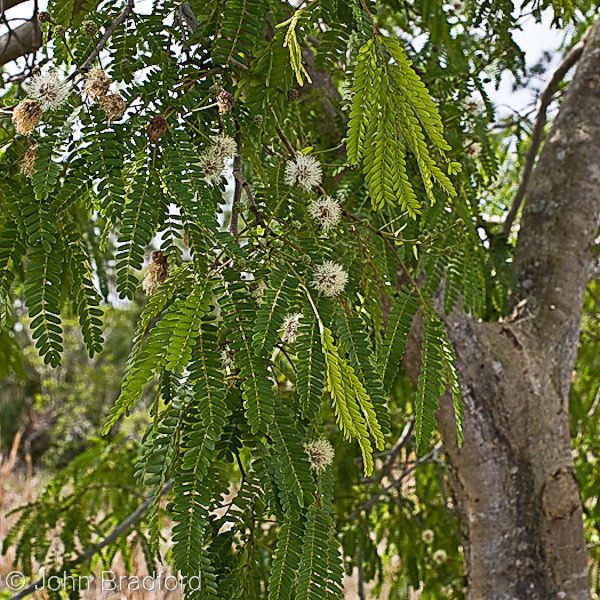
Plant Specifics
Form:
Size:
Life Span:
long-lived perennial
Flower Color:
Fruit Color:
Phenology:
Noted For:
Landscaping
Recommended Uses:
Considerations:
Fallen seed pods are messy, so use in a mulched landscape area.
Light:
Moisture Tolerance:
Somewhat moist, no flooding ---- to ---- Very long very dry periods
Salt Water Flooding Tolerance:
Unknown
Salt Spray/Salty Soil Tolerance:
Low/no tolerance of salty wind or direct salt spray
Soil or Other Substrate:
Sand, Loam, Lime Rock
Suitable to Grow In:
10A,10B,11
Ecology
Wildlife:
Larval host for Large Orange Sulfur ( Phoebis agarithe ), Mimosa Yellow ( Eurema nise ), amethyst hairstreak, and Cassius Blue ( Leptotes cassius ).
Used by a variety of butterfly species for nectar.
Attracts birds especially gnatcatchers, vireos, flycatchers, and migrating warbles (many eat the insects that are attracted to the flowers and leaves).
Important habitat for native tree snails ( Liguus fasciatus ). ( IRC )
Native Habitats:

