

Lindera benzoin
spicebush
Lauraceae
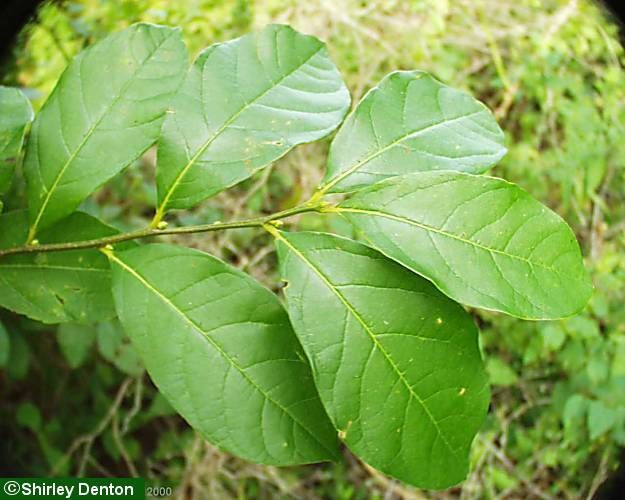
Plant Specifics
Form:
Size:
Life Span:
long-lived perennial
Flower Color:
Fruit Color:
Phenology:
Noted For:
Landscaping
Recommended Uses:
Considerations:
Like it's relative redbay( Persea borbonia ), it's susceptible to attacks by the redbay ambrosia beetle, which spreads a deadly fungus called Laural Wilt. While we need to keep planting them for the butterflies, just be aware that you might lose it to this wilt. Maybe if we plant enough, that we'll find some that are resistant.
Light:
Moisture Tolerance:
Usually moist, occasional inundation ---- to ---- Somewhat moist, no flooding
Salt Water Flooding Tolerance:
Unknown
Salt Spray/Salty Soil Tolerance:
Low/no tolerance of salty wind or direct salt spray
Soil or Other Substrate:
Sand, Organic
Suitable to Grow In:
8A,8B
Ecology
Wildlife:
- Larval host for the spice bush swallowtail and other butterflies.
- Attracts bees and flies.
Birds and mammals eat the fruits.
Native Habitats:

