

Juniperus virginiana
eastern red cedar
Cupressaceae
Plant Specifics
Form:
tree
Size:
to 40 ft tall by to 20 ft wide
Life Span:
long-lived perennial
Flower Color:
Fruit Color:
blue
Phenology:
Evergreen. Dioecious (male and female cones on separate trees). Female cones ripen in fall.
Noted For:
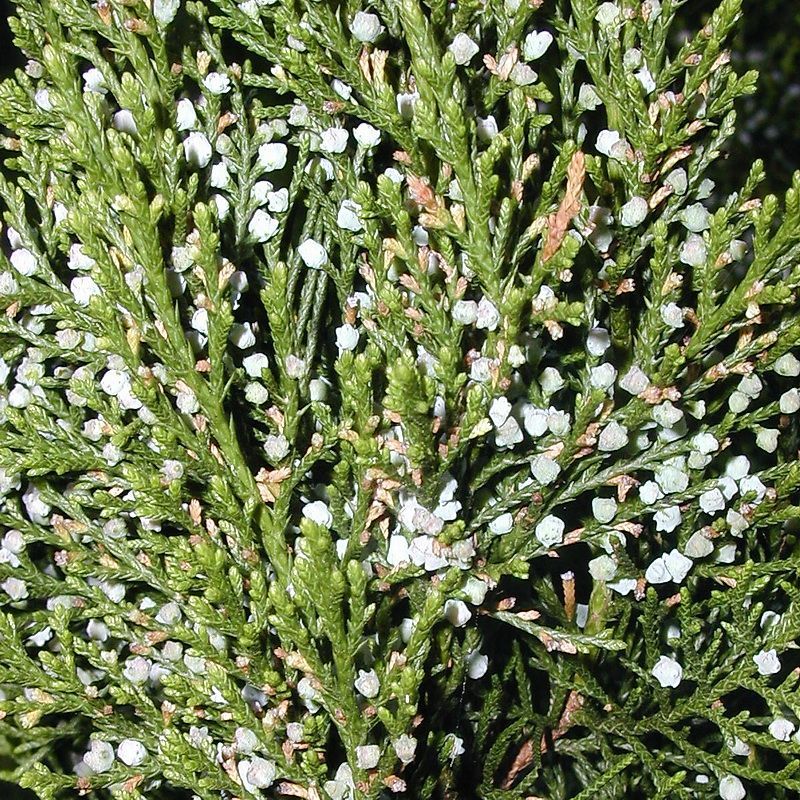
Hurricane Wind Resistance, Interesting Foliage
Landscaping
Recommended Uses:
Often used as a screen by planting in one or two fairly dense rows. Also useful as a background tree. Can be a specimen tree.
Considerations:
Light:
Full Sun
Moisture Tolerance:
Usually moist, occasional inundation ---- to ---- Very long very dry periods
Salt Water Flooding Tolerance:
Unknown
Salt Spray/Salty Soil Tolerance:
High. Can tolerate significant and ongoing amounts of salt.
Soil or Other Substrate:
Suitable to Grow In:
8A,8B,9A,9B,10A,10B
Ecology
Wildlife:
Birds
Birds eat the fruit-like cones and use the foliage for cover.
Native Habitats:
Calcareous soils, shell mounds, coastal hammocks, second growth on open rocky fields. Open.

