

Asclepias humistrata
sandhill milkweed, pinewoods milkweed
Apocynaceae
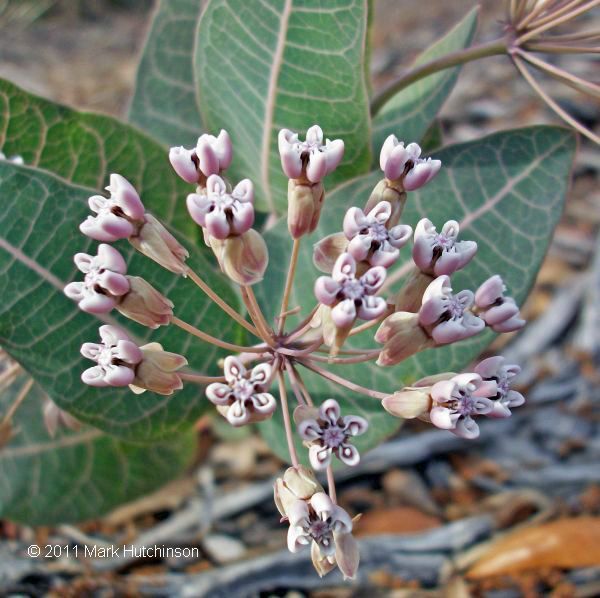
Plant Specifics
Form:
flower
Size:
1-3 ft tall by 1 ft wide
Life Span:
long-lived perennial
Flower Color:
white,pink,purple
Fruit Color:
purple,green
Phenology:
winter dormant
Noted For:
Showy Flowers, Showy Fruits, Interesting Foliage
Landscaping
Recommended Uses:
Small specimen plant.
Considerations:
Toxic if eaten unless boiled with two waters. Tends to sprawl.
Light:
Full Sun
Moisture Tolerance:
Somewhat moist, no flooding ---- to ---- Very long very dry periods
Salt Water Flooding Tolerance:
Unknown
Salt Spray/Salty Soil Tolerance:
Low/no tolerance of salty wind or direct salt spray
Soil or Other Substrate:
Sand
Suitable to Grow In:
8A,8B,9A,9B
Ecology
Wildlife:
Pollinators, Butterflies, Caterpillars
Larval host to the Monarch butterfly ( Danaus plexippus ), Queen butterfly ( Danaus gilippus ) and others.
Attracts many pollinators, especially native bees.
Native Habitats:
Sandhill, clayhill, scrub.

