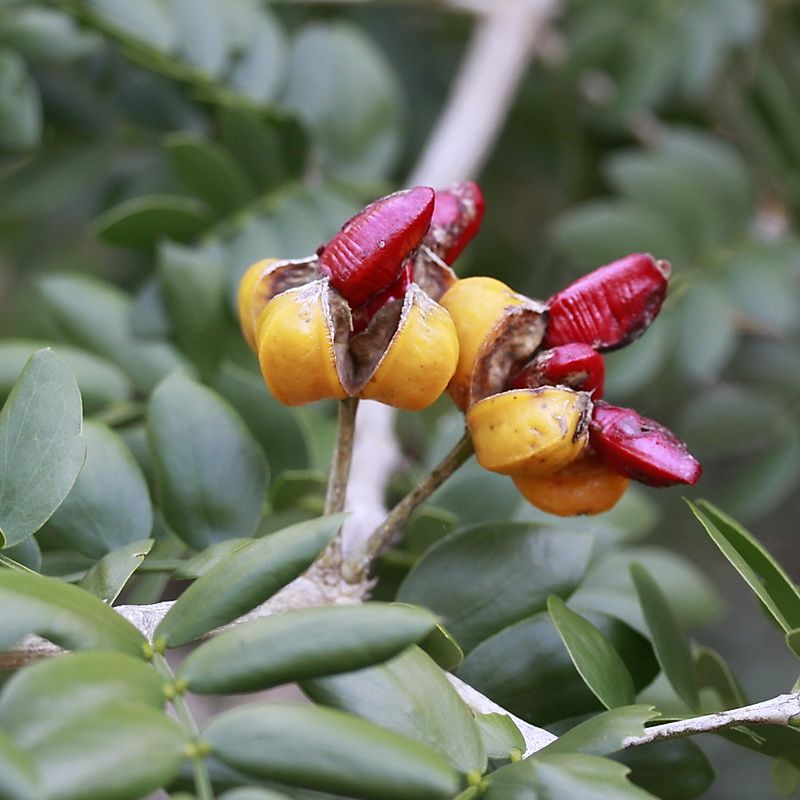

• Photo by: Shirley Denton, Suncoast Chapter FNPS
  • Photo by: Shirley Denton, Suncoast Chapter FNPS
  • Photo by: Shirley Denton, Suncoast Chapter FNPS
  • Photo by: Shirley Denton, Suncoast Chapter FNPS
  • Photo by: John Bradford, Martin County Chapter FNPS
  • Photo by: Dick Diener
  • Photo by: Shirley Denton, Suncoast Chapter FNPS

Guaiacum sanctum

lignum-vitae

Nomenclature

Common Name:

lignum-vitae

Synonym(s):

Genus species:

Guaiacum sanctum

Family:

Zygophyllaceae

Plant Specifics

Form:

tree

Size:

8-15 (25) ft 

Life Span:

Long-lived perennial

Flower Color:

purple

Fruit Color:

orange

Phenology:

Evergreen. Blooms mostly in spring.

Noted For:

Showy Flowers, Showy Fruits, Hurricane Wind Resistance, Interesting Foliage

Landscaping

Recommended Uses:

Specimen plant.

Considerations:

Text

Availability:

Text

Propagation:

Text

Light:

Text

Moisture Tolerance:

Always Flooded---------------------------------Extremely Dry

â–¡â–¡â–¡â–¡â–¡â–¡â–¡â–¡â–¡â–¡â–¡â–¡â–¡â–¡â–¡â–¡â–¡â–¡â– â– â– â– â– â– â– â– â– â– â– â– â– â– â– â– â– â– â–¡â–¡â–¡â–¡â–¡â–¡

Somewhat moist, no flooding -to- Somewhat long very dry periods

Salt Water Flooding Tolerance:

Unknown

Salt Spray/Salty Soil Tolerance:

Moderate. Tolerant of salty wind and may get some salt spray.

Soil or Other Substrate:

Sand, Lime Rock

Soil pH:

Suitable to Grow In:

9B,10A,10B,11

Ecology

Wildlife:

Pollinators, Butterflies, Caterpillars, Birds

Larval host plant for lyside sulphur ( Kricogonia lyside ) butterflies. ( IRC  and Hammer)


Attracts bees and butterflies.

 Catbirds and mockingbirds eat the seeds. ( IRC )

Native Habitats:

Rockland hammock.

Comments:

Ethnobotany:

Extensive history of human uses, especially for the wood, which is so dense that it sinks in water. Its wood was highly prized for propellers and judges' gavels. Because it's resinous, the wood was also good for ball bearings and hinges--they are self lubricating.

General Comments:

While most of these slow-growing trees were harvested for their wood, one Florida key retained its population because it was privately owned. It's now the Lignum-Vitae State Park, which is accessible only via boat.