
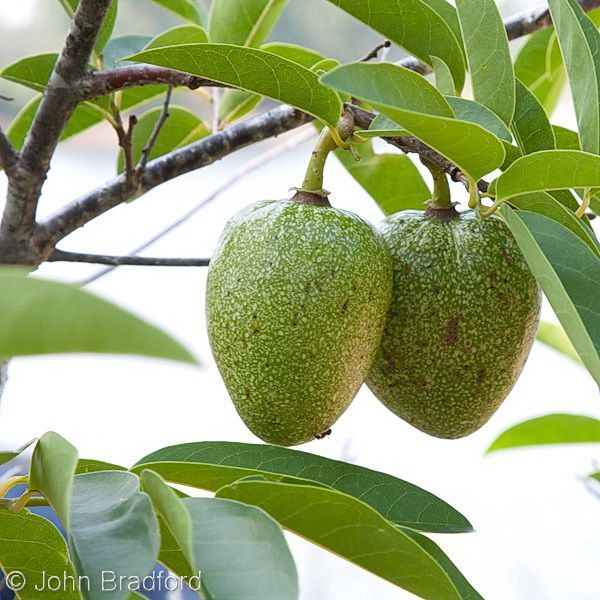
Annona glabra
pond-apple, custard-apple
Annonaceae
Plant Specifics
Form:
tree
Size:
15-30 (48) ft tall by 15-20 ft wide
Life Span:
long-lived perennial
Flower Color:
white,yellow
Fruit Color:
green
Phenology:
Deciduous to semi-deciduous. Blooms mid- to late spring.
Noted For:
Showy Flowers, Hurricane Wind Resistance, Interesting Foliage
Landscaping
Recommended Uses:
Specimen plant or mass planting in wet soils.
Considerations:
Fruit litter may be a problem in in small landscapes.
Light:
Full Sun, Part Sun, Shade
Moisture Tolerance:
Aquatic ---- to ---- Usually moist, occasional inundation
Salt Water Flooding Tolerance:
Unknown
Salt Spray/Salty Soil Tolerance:
High. Can tolerate significant and ongoing amounts of salt.
Soil or Other Substrate:
Sand, Loam, Organic
Suitable to Grow In:
10A,10B,11
Ecology
Wildlife:
Pollinators, Caterpillars, Birds, Mammals
Larval food source for Giant sphinx ( Cocytius antaeus ).
Pollinated by beetles.
Bird nesting area and food source.
Fruit used by mammals such as raccoons.
Native Habitats:
Swamps and sloughs

