

Cakile lanceolata
coastal searocket
Brassicaceae
Plant Specifics
Form:
flower
Size:
2 ft tall by 2 ft wide
Life Span:
short-lived perennial
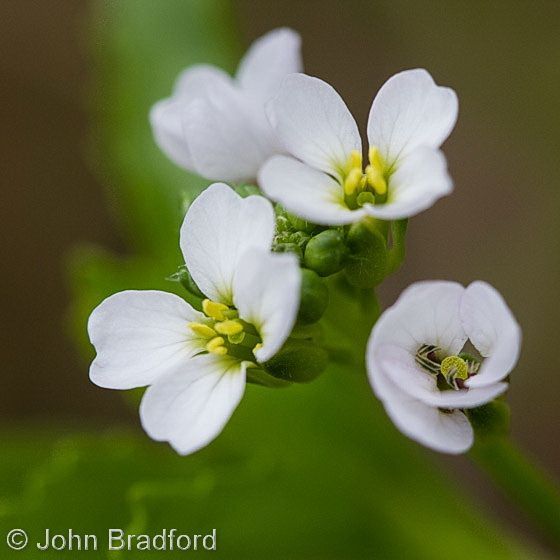
Flower Color:
white,lavender
Fruit Color:
yellow
Phenology:
Evergreen. Blooms spring through summer.
Noted For:
Hurricane Wind Resistance
Landscaping
Recommended Uses:
Searocket is best used to hold loose sand in place such as the beach dune system.
Considerations:
Light:
Full Sun, Part Sun
Moisture Tolerance:
Short very dry periods ---- to ---- Somewhat long very dry periods
Salt Water Flooding Tolerance:
Unknown
Salt Spray/Salty Soil Tolerance:
High. Can tolerate significant and ongoing amounts of salt.
Soil or Other Substrate:
Sand, Loam
Suitable to Grow In:
8B,9A,9B,10A,10B
Ecology
Wildlife:
Pollinators, Butterflies, Caterpillars
Attracts butterflies and bees.
Larval host for the great southern white( Ascia monuste phileta ).
Native Habitats:
Coastal dunes. Identified along the Indian River lagoon and the Atlantic shoreline to the Gulf and across to the panhandle of Florida.

