

Conradina etonia
etonia conradina, etonia false rosemary
Lamiaceae (Labiatae)
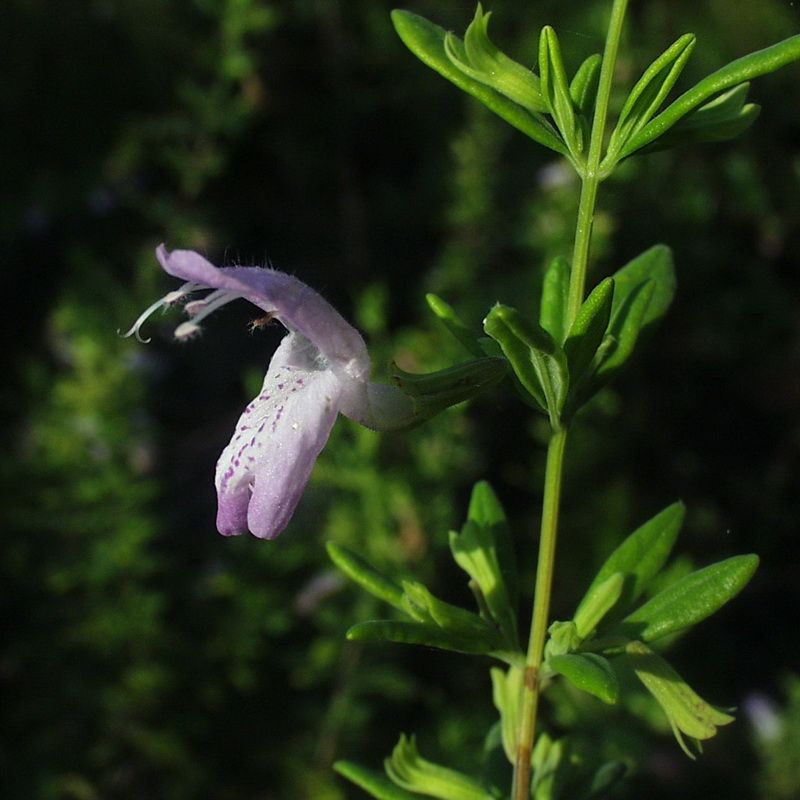
Plant Specifics
Form:
shrub
Size:
3-4 ft tall by 2-3 ft wide
Life Span:
long-lived perennial
Flower Color:
lavender
Fruit Color:
Phenology:
Evergreen. Long bloom season, primarily spring. Long-lived (Nelson 2003) if grown in appropriate open, sandy dry settings.
Noted For:
Showy Flowers, Aroma/Showy Fruitsagrance, Interesting Foliage
Landscaping
Recommended Uses:
Border or foundation plant.
Considerations:
Light:
Full Sun
Moisture Tolerance:
Not wet but not extremely dry ---- to ---- Very long very dry periods
Salt Water Flooding Tolerance:
Unknown
Salt Spray/Salty Soil Tolerance:
Low/no tolerance of salty wind or direct salt spray
Soil or Other Substrate:
Sand
Suitable to Grow In:
9A,9B
Ecology
Wildlife:
Pollinators
Attract many pollinators, especially bees.
Native Habitats:
Scrub. In openings. Endemic to Etonia Creek State Forest and vicinity.

