
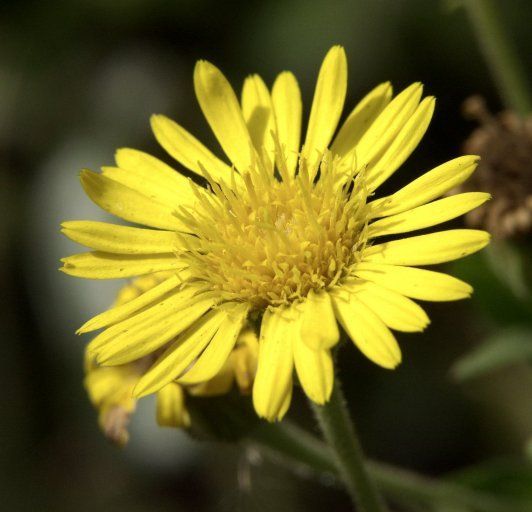
Chrysopsis gossypina
hairy goldenaster
Asteraceae (Compositae)
Plant Specifics
Form:
flower
Size:
to 3 ft
Life Span:
short-lived perennial
Flower Color:
yellow
Fruit Color:
brown,black
Phenology:
winter dormant
Noted For:
Showy Flowers
Landscaping
Recommended Uses:
Informal wildflower garden.
Considerations:
Becomes less than attractive after flowering.
Light:
Full Sun
Moisture Tolerance:
Somewhat moist, no flooding ---- to ---- Very long very dry periods
Salt Water Flooding Tolerance:
Unknown
Salt Spray/Salty Soil Tolerance:
High. Can tolerate significant and ongoing amounts of salt.
Soil or Other Substrate:
Sand
Suitable to Grow In:
Ecology
Wildlife:
Pollinators, Birds
Butterflies and bees including green metallic, sweat, leafcutter, bumble and mining bees ( Florida Wildflower Foundation ).
Primarily wind dispersed, but small birds consume seed.
Native Habitats:
Scrub, sandhills.

