Chrysobalanus icaco
coco plum, cocoplum
Chrysobalanaceae
Plant Specifics
Form:
shrub
Size:
10-30 ft tall by 10-20 ft wide
Life Span:
long-lived perennial
Flower Color:
white
Fruit Color:
Unripe fruits pink maturing to purple-black
Phenology:
Evergreen. Blooms and fruits throughout the year.
Noted For:
Showy Flowers, Showy Fruits, Hurricane Wind Resistance, Interesting Foliage
Landscaping
Recommended Uses:
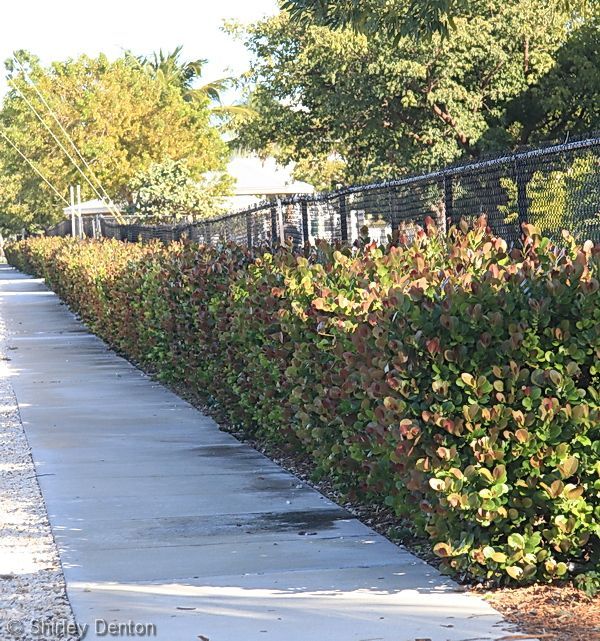
Hedges, specimen plants, screens.
Considerations:
Light:
Full Sun, Part Sun
Moisture Tolerance:
Usually moist, occasional inundation ---- to ---- Very long very dry periods
Salt Water Flooding Tolerance:
Unknown
Salt Spray/Salty Soil Tolerance:
Some tolerance to salty wind but not direct salt spray
Soil or Other Substrate:
Sand, Clay
Suitable to Grow In:
10A,10B,11
Ecology
Wildlife:
Pollinators, Birds, Mammals
Attracts various pollinators, especially bees.
Wildlife and birds consume the fruits though they areless useful for small birds due to itheir large size.
Provides dense cover.
Native Habitats:
Coastal swamps, beaches, cypress dones, Everglades tree islands, edges of ditches and canals.

