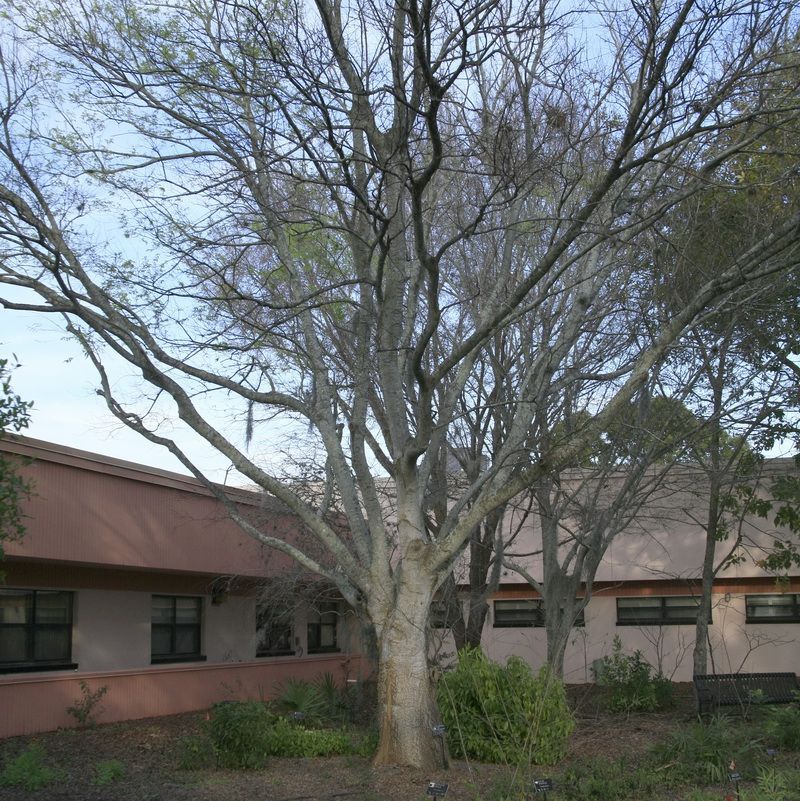
• Photo by: Shirley Denton, Suncoast Chapter FNPS
  • Photo by: John Bradford, Martin County Chapter FNPS
  • Photo by: John Bradford, Martin County Chapter FNPS
  • Photo by: Shirley Denton, Suncoast Chapter FNPS

Celtis laevigata

hackberry, sugarberry

Nomenclature

Common Name:

hackberry, sugarberry

Synonym(s):

Genus species:

Celtis laevigata

Family:

Celtidaceae

Plant Specifics

Form:

tree

Size:

60 to 80 ft tall by 30 to 50 ft wide

Life Span:

Long-lived perennial

Flower Color:

yellow,NA

Fruit Color:

brown

Phenology:

Deciduous. Inconspicuous blooms in early spring. Fruits ripe in fall. Lifespan up to 150 yrs (Nelson)

Noted For:

Interesting Foliage, Interesting Bark

Landscaping

Recommended Uses:

Rarely used but suited to informal areas. Tolerant of root disturbance, so appropriate to parking lots and street tree uses.

Considerations:

Text

Availability:

Text

Propagation:

Text

Light:

Text

Moisture Tolerance:

Always Flooded---------------------------------Extremely Dry

â–¡â–¡â–¡â–¡â–¡â–¡â–¡â–¡â–¡â– â– â– â– â– â– â– â– â– â– â– â– â– â– â– â– â– â– â–¡â–¡â–¡â–¡â–¡â–¡â–¡â–¡â–¡â–¡â–¡â–¡â–¡â–¡â–¡

Stays wet -to- Not wet but not extremely dry

Salt Water Flooding Tolerance:

Unknown

Salt Spray/Salty Soil Tolerance:

Low/no tolerance of salty wind or direct salt spray

Soil or Other Substrate:

Sand, Clay, Loam

Soil pH:

Neutral to calcareous.

Suitable to Grow In:

8A,8B,9A,9B,10A,10B

Ecology

Wildlife:

Caterpillars, Birds, Mammals

Larval host for hac kb erry emperor ( Asterocampa celtis ), and mourning cloak ( Nymphalis antiopa ) butterflies. Sole larval host plant for American snout ( Libytheana carineta ) in South Florida; also larval host for tawny emperor (Asterocampa clyton), question mark ( Polygonia interrogationis ) butterflies.


Wind pollinated.

Fruits are eaten by a number of birds and small mammals.  Provides cover.

Native Habitats:

River floodplains, ruderal

Comments:

Ethnobotany:

General Comments:

Interesting, warty bark on some specimens.